Gastritis & Duodenitis

Gastritis and duodenitis occur when the lining of the stomach or duodenum becomes inflamed.
瑞盟腸胃科中心
DSC08599
John Hsiang 肠胃科专科医生
胃肠病、肝病和内窥镜 高级顾问医生

MBChB(新西兰),FRACP(澳大拉西亚),MD(医学博士),FRCP(爱丁堡),FAMS(肠胃病学)

John Hsiang 肠胃科专科医生 他是新加坡一位杰出的消化内科医生,在消化健康方面接受过广泛的培训并拥有丰富的经验。他获得了 澳大拉西亚皇家内科医学院院士 他于 2012 年获得胃肠病医学博士学位,并拥有多数乙型肝炎和脂肪肝研究成果。

他为各种消化系统和肝脏问题提供治疗,将全面评估与量身定制的管理相结合,为患者的长期健康提供支持。.

向医生擅长 胃镜 (上内窥镜检查)和 大肠镜检查 调查症状,早期发现胃癌和大肠癌,并提供及时的治疗方案。.

他致力于提供个性化护理,并采用循证方法,在诊断和治疗的每个阶段都以准确性、有效性和患者舒适度为优先。

会说的语言

流利的英语、普通话和福建话

受过专科进修医生

20 多年的临床经验
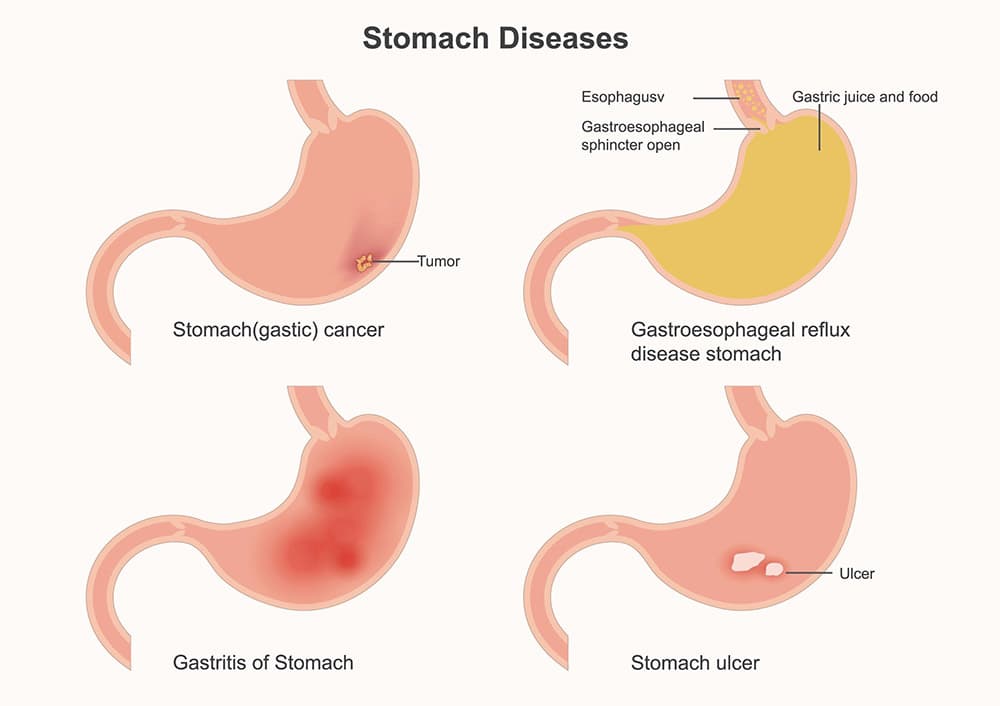
Diagram showing the stomach and duodenum, highlighting areas affected by gastritis and duodenitis

Gastritis & Duodenitis: Symptoms, Causes & Treatment

Gastritis and duodenitis occur when the lining of the stomach or duodenum becomes inflamed. Symptoms such as upper abdominal discomfort, bloating, nausea and indigestion are common, and in many cases the underlying cause can be identified and treated successfully.

At Richmond Gastroenterology Centre, Dr John Hsiang provides specialist assessment and treatment for gastritis and duodenitis, with a focus on identifying the cause and reducing the risk of future complications.

What are Gastritis and Duodenitis?

Duodenitis is inflammation of the duodenum, the first part of the small intestine just beyond the stomach. Because the two are closely connected and share many of the same causes, they often occur together and may be referred to as gastroduodenitis.

Gastritis is further classified by appearance during gastroscopy. When the inflammation causes small breaks or raw areas in the lining, it is called erosive gastritis. When inflammation is present without surface breaks, it is called non-erosive gastritis.

Symptoms & Types of Gastritis

症状

The most common symptom of gastritis is a burning, aching or gnawing discomfort in the upper abdomen. Symptoms can vary significantly. Some people experience only mild discomfort, while others have more persistent digestive symptoms. Some people with chronic gastritis have no symptoms at all.

  1. Upper Abdominal Pain or Discomfort
    A burning, aching or gnawing sensation in the upper abdomen, the hallmark symptom.
  2. Indigestion (Dyspepsia)
    A persistent feeling of fullness, heaviness or discomfort during or after eating.
  3. 腹胀
    Abdominal distension or a sense of trapped gas after meals.
  4. Nausea and Vomiting
    Nausea is common; vomiting may occur in more severe cases.
  5. Frequent Belching
    Excessive burping, often worsened after eating.
  6. Feeling Full After Small Meals
    Early satiety, a small amount of food produces a strong sense of fullness.
  7. Loss of Appetite
    Reduced desire to eat, sometimes associated with nausea or discomfort.

Acute vs Chronic Gastritis: Why the Difference Matters

Acute gastritis develops suddenly and often improves once the trigger is removed. Chronic gastritis develops gradually and may persist for months or years.

Chronic gastritis is most commonly caused by long-term H. pylori infection. Ongoing inflammation can gradually alter the stomach lining over time and, in some patients, may increase the risk of stomach cancer. This is why identifying and treating the cause early is important.

What Causes Gastritis and Duodenitis?

Gastritis and duodenitis have several possible causes, including 幽门螺杆菌感染, painkillers, alcohol, smoking, autoimmune conditions, bile reflux and lifestyle factors such as chronic stress, poor sleep and irregular diet.

Because the treatment approach depends on the underlying cause, an accurate diagnosis is important.

Can Vaping Cause Gastritis?

Yes. Nicotine can increase stomach acid production, reduce blood flow to the stomach lining and interfere with healing. Whether nicotine comes from cigarettes, vaping devices or nicotine pouches, it may contribute to ongoing stomach irritation and symptoms in some individuals.

Can Stress and Poor Sleep Cause Gastritis?

Chronic psychological stress and poor sleep can contribute to gastritis, though the mechanism differs from physical stress injuries seen in critically ill patients.

Prolonged mental stress keeps the body’s stress response persistently activated. This can slow gastric emptying, allowing stomach acid to remain in contact with the lining for longer, reduce the blood flow needed for mucosal repair and heighten the stomach’s sensitivity to everyday irritants such as spicy foods or standard painkiller use.

Poor sleep and insomnia compound these effects. Disrupted sleep impairs the body’s overnight repair processes, including mucosal cell regeneration in the stomach lining. Over time, this can make the stomach more susceptible to inflammation.

Stress and sleep disruption do not usually cause gastritis in isolation, but they can worsen existing symptoms and make recovery more difficult, particularly when other contributing factors are also present.

CauseHow It Affects the Stomach
H. pylori InfectionThe most common cause of chronic gastritis worldwide. The bacteria live beneath the stomach's mucus layer and produce enzymes that damage the lining, triggering persistent inflammation.
NSAIDs & AspirinIbuprofen, naproxen, diclofenac and aspirin block prostaglandin production, weakening the stomach's protective mucus barrier and increasing acid output. Corticosteroids (e.g. prednisone) do not typically cause erosions alone but significantly increase mucosal vulnerability when taken alongside NSAIDs.
AlcoholDirectly irritates and damages the stomach lining. Binge drinking can cause acute chemical gastritis; long-term heavy drinking progressively degrades the mucosal layer.
Smoking & VapingNicotine increases acid production, reduces blood flow to the lining, inhibits bicarbonate production and slows the cellular repair needed to heal minor erosions.
Physical StressMajor surgery, serious illness, severe burns or significant injury can trigger acute stress gastritis by drastically reducing blood flow to the stomach lining.
Psychological Stress & Poor SleepChronic mental stress and disrupted sleep keep stress hormone levels persistently elevated. This can slow gastric emptying, reduce mucosal blood flow and impair the stomach lining's ability to repair itself, increasing vulnerability to irritants over time.
Irregular Diet & Meal TimingPersistent consumption of high-fat or highly processed foods, combined with irregular meal timing, can impair digestive rhythms and weaken the stomach's natural defence mechanisms.
Autoimmune GastritisThe immune system mistakenly attacks the stomach lining, particularly the cells that produce stomach acid. This can lead to vitamin B12 deficiency and pernicious anaemia.
Bile RefluxDigestive fluid flows backwards from the small intestine into the stomach, causing chronic chemical irritation. Often seen after gallbladder removal or gastric surgery. Treated differently from acid-related gastritis.

H. pylori and Stomach Cancer Risk

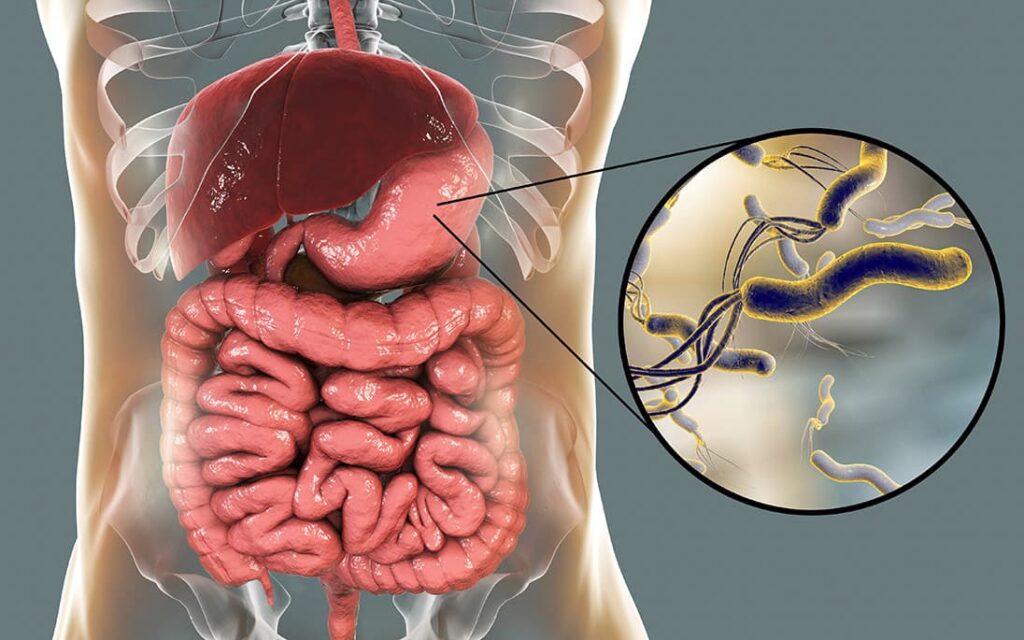
Illustration showing H. pylori bacteria colonising the stomach lining, with a detailed view of the bacteria

Long-term H. pylori infection can increase the risk of 胃癌, but the process usually develops slowly over many years and can often be interrupted with early diagnosis and treatment.

H. pylori is the single most important risk factor for stomach cancer worldwide. In some people, ongoing inflammation can gradually damage the stomach lining, leading to changes such as atrophic gastritis and gastric intestinal metaplasia (GIM).

Most people with H. pylori do not develop stomach cancer. However, identifying and treating the infection early can significantly reduce future risk.

If changes such as atrophic gastritis or GIM are found during gastroscopy, regular surveillance may be recommended to monitor the stomach lining and detect any further changes early.

When is Gastritis an Emergency?

Most cases of gastritis are not emergencies, but certain symptoms require urgent medical attention.

Seek Prompt Medical Assessment

Seek prompt medical assessment if you experience any of the following: vomiting blood or material that looks like coffee grounds · black, tarry stools · unexplained weight loss · persistent vomiting · difficulty swallowing · severe abdominal pain · symptoms of anaemia, such as unusual tiredness, dizziness or shortness of breath.

These symptoms may indicate bleeding, an ulcer or another serious condition.

How are Gastritis and Duodenitis Diagnosed?

胃镜检查 is the most accurate way to diagnose gastritis and duodenitis because it allows the stomach lining to be examined directly and tissue samples to be taken if needed.

ConditionWhat It Is常见症状
胃炎Inflammation of the stomach liningUpper abdominal pain, nausea, indigestion
GERD (Acid Reflux)Acid flowing back into the oesophagusHeartburn, sour taste, regurgitation
Peptic UlcerAn open sore in the stomach or duodenumBurning pain, nausea, possible bleeding
Functional DyspepsiaPersistent indigestion without an identifiable structural causeBloating, fullness, early satiety, upper abdominal discomfort

Gastritis vs GERD vs Ulcer vs Functional Dyspepsia

Many digestive conditions can cause similar symptoms, which is why persistent upper abdominal discomfort should not be self-diagnosed.

ConditionWhat It Is常见症状
胃炎Inflammation of the stomach liningUpper abdominal pain, nausea, indigestion
GERD (Acid Reflux)Acid flowing back into the oesophagusHeartburn, sour taste, regurgitation
Peptic UlcerAn open sore in the stomach or duodenumBurning pain, nausea, possible bleeding
Functional DyspepsiaPersistent indigestion without an identifiable structural causeBloating, fullness, early satiety, upper abdominal discomfort

Treatment Options for Gastritis and Duodenitis

The most effective treatment for gastritis focuses on identifying and treating the underlying cause, rather than simply relieving symptoms.
Treatment ApproachWhat It Involves
Treating H. pylori InfectionA combination of acid-suppressing medication and antibiotics. A follow-up test confirms successful eradication.
Reducing Stomach AcidProton pump inhibitors (PPIs) and H2 receptor blockers reduce acid and allow the stomach lining to heal.
Reviewing Medications and LifestyleAddressing painkiller use, alcohol, smoking or vaping that may be contributing to inflammation.
Managing Less Common CausesAutoimmune gastritis and bile reflux gastritis require specific treatment approaches tailored to their cause.
持续监测Patients with atrophic gastritis or gastric intestinal metaplasia (GIM) may require periodic surveillance.

Take the Next Step

An Image of Dr John Hsiang

Persistent indigestion, bloating, nausea or upper abdominal discomfort should not be ignored, especially when symptoms continue to return despite medication.

While many cases of gastritis are straightforward to treat, some require further investigation to identify the underlying cause and rule out more serious conditions.

Dr John Hsiang provides comprehensive assessment and treatment for gastritis and duodenitis, including H. pylori testing, gastroscopy and long-term surveillance where appropriate.

Arrange a consultation to better understand the cause of your symptoms and the treatment options available.

Frequently Asked Questions

Can gastritis turn into stomach cancer?
Most gastritis does not become cancer. However, long-standing H. pylori infection can increase stomach cancer risk over time. Early diagnosis and treatment can significantly reduce this risk.
How long does gastritis take to heal?

Mild gastritis may improve within days or weeks, while chronic gastritis can take longer. Recovery depends on identifying and treating the underlying cause.
Can gastritis be cured permanently?
In many cases, yes. Treating the underlying cause often allows the stomach lining to heal completely.
Can vaping or nicotine cause gastritis?
Nicotine can increase stomach acid production and interfere with healing of the stomach lining. Smoking, vaping and nicotine products may worsen symptoms in some individuals.
What is the difference between gastritis and an ulcer?
Gastritis is inflammation of the stomach lining, while an ulcer is an open sore that develops in the stomach or duodenum. Both can cause similar symptoms, which is why a proper diagnosis is important.

Is difficulty swallowing a symptom of gastritis?
Difficulty swallowing is not a typical symptom of gastritis and should be assessed promptly, as it may indicate another underlying condition.

Do I need a gastroscopy for gastritis?
Not everyone requires a gastroscopy. However, it is often recommended for persistent symptoms, alarm symptoms or when a more definitive diagnosis is needed.


What foods should I avoid with gastritis?
Alcohol, very spicy foods, excessive caffeine and large fatty meals may worsen symptoms. However, dietary changes alone do not usually treat the underlying cause of gastritis.

了解我们的胃肠道专业知识和以患者为中心的医疗服务

咨询我们的专家

出现消化道症状或不适?请向我们的消化科医生咨询,以便更清楚地了解您的病情和治疗方案。.

您可以使用我们的联系表格进行预约,或拨打诊所电话 6517 9958

H2