
Hepatitis and Viral Hepatitis
Hepatitis refers to inflammation of the liver, which may be caused by viral infections, alcohol, medications or autoimmune conditions. While some cases resolve with appropriate care, others can develop into chronic liver disease and require ongoing monitoring or treatment.
At Richmond Gastroenterology Centre, we provide assessment, screening and treatment for hepatitis and related liver conditions, with care tailored to each patient’s diagnosis and liver health.
Richmond Gastroenterology Centre
Dr. John Hsiang
MBChB (NZ), FRACP (Australasia), MD (Doctorate), FRCP (Edinburgh), FAMS (Gastro)
Dr. John Hsiang is a distinguished gastroenterologist in Singapore with extensive training and experience in digestive health. He obtained his Fellowship of the Royal Australasian College of Physicians in Gastroenterology in 2012 and holds a PhD in viral hepatitis and fatty liver disease research.
He provides care for a broad range of digestive and liver concerns, combining thorough evaluation with tailored management to support patients’ long-term well-being.
Dr Hsiang is skilled in performing gastroscopy (upper endoscopy) and colonoscopy to investigate symptoms, detect stomach and colon cancers at an early stage, and provide timely treatment options.
With a commitment to individualised care, he applies an evidence-based approach that prioritises accuracy, effectiveness and patient comfort at every stage of diagnosis and treatment.
Languages Spoken:
English, Mandarin and Hokkien
Fellowship Trained Specialist
20+ Years of Clinical Experience
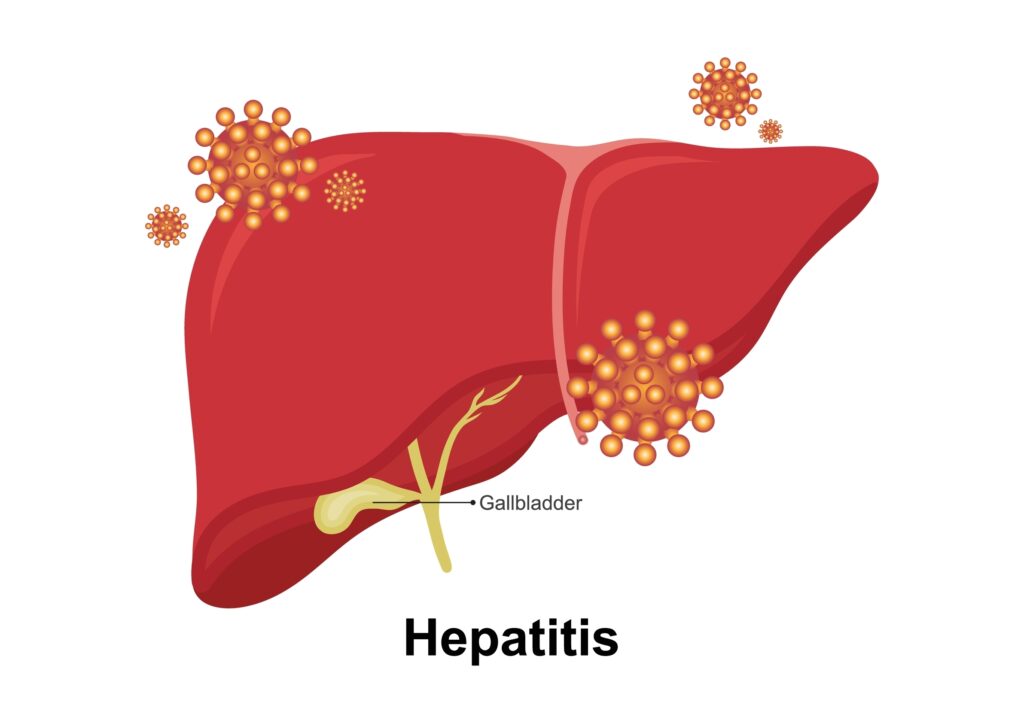
What Is Hepatitis?
Hepatitis is a condition characterised by inflammation of the liver. The liver plays an essential role in processing nutrients, removing waste products and supporting digestion. When inflammation occurs, these functions may be affected.
Hepatitis can be classified as acute or chronic, depending on how long the inflammation persists.
- Acute hepatitis develops over a relatively short period and may resolve once the underlying cause is addressed.
- Chronic hepatitis involves inflammation lasting six months or longer and may gradually damage the liver.
Some people experience noticeable symptoms, while others remain unaware of their condition until abnormalities are detected during routine health screening.
Without appropriate management, persistent liver inflammation may lead to liver fibrosis, cirrhosis and an increased risk of liver cancer, depending on the underlying cause.
What Causes Hepatitis?
Hepatitis can develop for several reasons, with viral infections being among the most recognised causes.
Viral hepatitis
Hepatitis viruses can infect the liver and cause inflammation. The five main types are hepatitis A, B, C, D and E. They differ in how they spread, their potential to cause chronic infection and the treatment required.
Alcohol-related hepatitis
Excessive alcohol consumption can cause liver inflammation and damage. Continued alcohol exposure may increase the risk of progressive liver disease.
Autoimmune hepatitis
This occurs when the immune system mistakenly attacks healthy liver cells, resulting in inflammation. Treatment generally involves medication to control the immune response.
Drug-induced hepatitis
Certain medications, herbal remedies and supplements can cause liver inflammation.
This may also occur in metabolic dysfunction-associated steatohepatitis (MASH), which is associated with excess fat in the liver and metabolic risk factors.
What Are the Different Types of Viral Hepatitis?

Viral hepatitis is caused by viruses that infect the liver. The three commonly discussed types are hepatitis A, B and C, each differing in how they spread and their potential long-term effects.
Hepatitis A
Hepatitis A is mainly transmitted through contaminated food or water. It typically causes a short-term infection that resolves on its own and does not become chronic.
Hepatitis B
Hepatitis B spreads through infected blood and certain body fluids, including transmission from mother to child during childbirth. It can become a chronic infection, particularly when acquired during infancy.
Hepatitis C
Hepatitis C spreads primarily through contact with infected blood. It often causes few or no symptoms initially and can develop into a chronic infection that gradually damages the liver.
How Do Hepatitis A, B and C Differ?
Hepatitis can develop for several reasons, with viral infections being among the most recognised causes.
| Hepatitis A | Hepatitis B | Hepatitis C | |
|---|---|---|---|
| Transmission | Contaminated food or water | Blood and certain body fluids | Primarily blood-to-blood contact |
| Chronic infection | No | Possible | Common without treatment |
| Vaccination | Available | Available | Not available |
| Treatment | Mainly supportive care | Monitoring or antiviral medication | Direct-acting antiviral medication |
| Long-term risks | Usually resolves without chronic liver damage | Cirrhosis and liver cancer | Cirrhosis and liver cancer |
Hepatitis D occurs in people infected with hepatitis B, while hepatitis E is commonly associated with contaminated food or water.
Additional testing may be considered when clinically indicated.
What Are the Symptoms of Hepatitis?
Symptoms vary depending on the cause and severity of liver inflammation. Some individuals experience noticeable discomfort, while others have no symptoms, particularly during the early stages of chronic hepatitis B or C.
Common symptoms may include:
- Persistent tiredness or fatigue
- Loss of appetite
- Nausea or vomiting
- Discomfort in the upper right abdomen
- Dark urine
- Pale stools
- Yellowing of the skin or eyes (jaundice)
- Fever
Can you have hepatitis without symptoms?
Yes. Chronic hepatitis B and C may remain undetected for years because they often cause few or no noticeable symptoms.
This is why blood tests and appropriate screening can be important, especially for individuals with relevant risk factors or abnormal liver function results.
Severe jaundice, confusion, unusual bleeding or rapidly worsening symptoms require urgent medical assessment.
Who Is at Risk of Hepatitis?
Certain medical, lifestyle and exposure-related factors may increase the likelihood of developing hepatitis.
These include:
- Having a family member with hepatitis B
- Being born before routine hepatitis B vaccination was introduced in Singapore, particularly if vaccination status is uncertain
- Having a sexual partner with hepatitis B
- Exposure to contaminated needles or blood
- Undergoing procedures involving inadequately sterilised equipment
- Travelling to areas with higher rates of hepatitis A or E
- Excessive alcohol consumption
- Taking medications or supplements associated with liver injury
An abnormal liver function test may also indicate the need for further assessment, although it does not necessarily mean that a person has hepatitis.
How Is Hepatitis Diagnosed?
Diagnosis begins with a review of your medical history, symptoms, risk factors and previous test results.
Your gastroenterologist and liver specialist may recommend investigations to determine the cause of liver inflammation and assess whether the liver has sustained any damage.

Blood Tests
Blood tests help evaluate liver function and identify possible viral infections.
Depending on the clinical findings, investigations may include:
- Liver function tests: Measure liver enzymes and other markers associated with liver health.
- Hepatitis B screening: Tests such as HBsAg, anti-HBs and anti-HBc help assess infection and immunity status.
- Hepatitis C screening: Anti-HCV testing identifies possible previous or current exposure, followed by HCV RNA testing to confirm active infection.
- Viral load testing: Measures the amount of hepatitis B or C virus in the blood to help guide management.
Additional investigations may be required if autoimmune hepatitis, drug-induced liver injury or other liver conditions are suspected.
Liver Ultrasound
An ultrasound scan may be performed to assess the liver’s appearance and identify structural abnormalities.
For patients with chronic hepatitis, imaging may also form part of ongoing monitoring when clinically indicated.
FibroScan
A FibroScan is a non-invasive test that measures liver stiffness, which can help assess the likelihood of liver fibrosis.
It may be recommended for patients with chronic hepatitis B or C to evaluate liver health and guide treatment decisions.
Not every patient requires all these investigations. The appropriate tests depend on symptoms, medical history and initial findings.
How Is Hepatitis Treated?
Treatment depends on the underlying cause, whether the condition is acute or chronic and the extent of liver inflammation or damage.

| Treatment | |
|---|---|
| Hepatitis A | Hepatitis A usually resolves without antiviral medication. Treatment focuses on supportive care, including hydration, nutrition and monitoring where needed. Patients should also avoid alcohol during recovery. |
| Hepatitis B | Not everyone with hepatitis B requires immediate treatment. Management may involve regular blood tests, viral load monitoring and liver assessments. Antiviral medication may be prescribed to suppress the virus, reduce liver damage and lower the risk of complications, depending on the patient's condition. |
| Hepatitis C | Hepatitis C can be cured in most patients with direct-acting antiviral medication, typically taken for 8 to 12 weeks. Follow-up blood tests confirm whether the infection has cleared, while patients with advanced liver damage may require continued monitoring. |
| Non-Viral Hepatitis | Treatment focuses on addressing the underlying cause. This may involve avoiding alcohol, adjusting medications under medical supervision, managing metabolic risk factors or treating autoimmune inflammation. |
Can Hepatitis Be Prevented?
Some forms of hepatitis can be prevented through vaccination and appropriate precautions. Vaccines are available for hepatitis A and B, but not hepatitis C.
Preventive measures include practising good food hygiene, avoiding contact with contaminated blood and ensuring medical or cosmetic procedures use sterilised equipment.
For individuals at higher risk, hepatitis screening can help detect infections early, even when no symptoms are present.
For individuals already diagnosed with chronic viral hepatitis, regular monitoring and appropriate treatment can help reduce the risk of complications.
Book a Consultation
If you have tested positive for hepatitis B or C, or are concerned about your liver health, consider consulting a gastroenterology and liver specialist for further assessment and personalised advice on managing your liver health.

Make an Appointment
Specialist Consultation
Hepatitis Screening
Personalised Treatment Plan
Frequently Asked Questions
Can Hepatitis Be Cured?
Hepatitis A usually resolves on its own, while hepatitis C can be cured in most patients with antiviral medication. Chronic hepatitis B can be controlled with treatment, although a complete cure is uncommon.
Can You Live a Normal Life With Hepatitis?
Do I Need Treatment if I Am a Hepatitis B Carrier?
Is Hepatitis Contagious?
Can Hepatitis Cause Liver Cancer?
How Often Should I Undergo Hepatitis Screening?
Consult Our Specialist
Experiencing digestive symptoms or discomfort? Speak to our gastroenterologist for a clearer understanding of your condition and treatment options.
You may book an appointment using our contact form or call the clinic at 6517 9958