
Peptic Ulcer Disease
Richmond Gastroenterology Centre
Dr. John Hsiang
MBChB (NZ), FRACP (Australasia), MD (Doctorate), FRCP (Edinburgh), FAMS (Gastro)
Dr. John Hsiang is a distinguished gastroenterologist in Singapore with extensive training and experience in digestive health. He obtained his Fellowship of the Royal Australasian College of Physicians in Gastroenterology in 2012 and holds a PhD in viral hepatitis and fatty liver disease research.
He provides care for a broad range of digestive and liver concerns, combining thorough evaluation with tailored management to support patients’ long-term well-being.
Dr Hsiang is skilled in performing gastroscopy (upper endoscopy) and colonoscopy to investigate symptoms, detect stomach and colon cancers at an early stage, and provide timely treatment options.
With a commitment to individualised care, he applies an evidence-based approach that prioritises accuracy, effectiveness and patient comfort at every stage of diagnosis and treatment.
Languages Spoken:
English, Mandarin and Hokkien
Fellowship Trained Specialist
20+ Years of Clinical Experience
What Is a Peptic Ulcer?
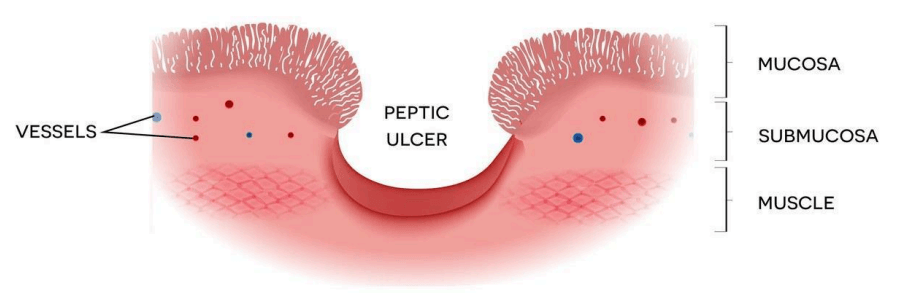
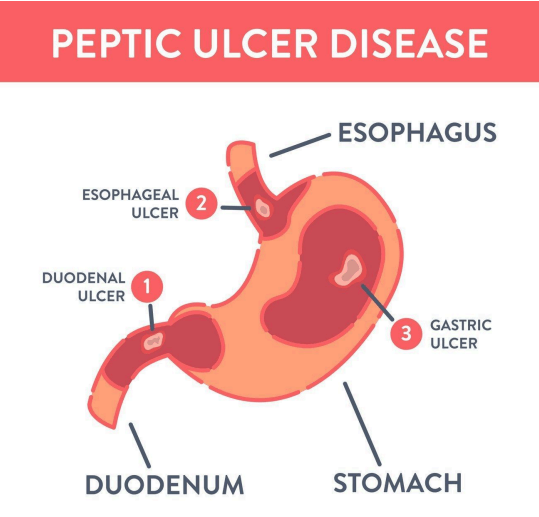
Peptic ulcers are named by where they form. A gastric ulcer sits in the stomach. A duodenal ulcer sits in the duodenum, the first part of the small intestine just after the stomach. Less often, an ulcer can form at the lower end of the oesophagus. Together, these are known as peptic ulcer disease.
This is different from gastritis, which is inflammation of the stomach lining without an open sore. The two can feel similar, which is why a clear diagnosis matters.
Gastric Ulcer vs Duodenal Ulcer
| Gastric ulcer | Duodenal ulcer | |
|---|---|---|
| Where it forms | In the stomach lining | In the duodenum, just after the stomach |
| When pain is felt | Often soon after eating | Often when the stomach is empty, including at night |
| Relation to food | Eating may worsen the pain | Eating may relieve the pain for a time |
| Who it affects | More common in older adults | Often seen in a slightly younger group |
Symptoms of a Peptic Ulcer
The most common symptom of a peptic ulcer is a burning, gnawing or aching pain in the upper tummy, in the area between the breastbone and the belly button. This upper abdominal pain can come and go over days or weeks and may be linked to when you last ate.
Other symptoms can include:
- Bloating or feeling full after only a small meal
- Nausea, and sometimes vomiting
- Frequent burping or heartburn
- Loss of appetite
- Pain that radiates to the back or right shoulder.
- Unplanned weight loss
Some people have no symptoms at all, and the ulcer is only found when a complication develops or during a gastroscopy done for another reason.
What Causes Peptic Ulcers?

H. pylori infection
H. pylori (Helicobacter pylori) is a common bacterium that can live in the stomach. In many people it causes no trouble, but in others it inflames and weakens the lining and leads to an ulcer. It is one of the main causes of peptic ulcer disease.
Painkillers (NSAIDs)
Regular or long-term use of anti-inflammatory painkillers, known as NSAIDs, can also cause ulcers. This group includes ibuprofen, naproxen, diclofenac and aspirin. They reduce the stomach’s natural protection, which is why some people who take them often develop an ulcer.
Other factors do not usually cause an ulcer on their own, but they can make symptoms worse or slow healing. These include smoking, drinking alcohol, ongoing stress and irregular meals.
When a Peptic Ulcer Becomes an Emergency
Most peptic ulcers heal with treatment, but an ulcer that is left untreated can sometimes lead to a serious problem. It helps to know the warning signs so you can act quickly.
A bleeding ulcer happens when the sore erodes into a blood vessel. A perforation is when the ulcer creates a hole through the wall of the stomach or duodenum. A blockage, called gastric outlet obstruction, can occur when swelling or scarring narrows the outlet of the stomach.
Long standing H. pylori infection can also raise the risk of stomach cancer over many years, which is another reason to have ongoing symptoms checked.
Seek urgent medical care if you have any of these:
- Vomiting blood, or material that looks like coffee grounds
- Black, tarry or sticky stools
- Sudden, severe tummy pain that does not ease
- Feeling faint, very weak or short of breath
How Are Peptic Ulcers Diagnosed?
A gastroscopy is the clearest way to diagnose a peptic ulcer. During this test a thin, flexible tube with a camera (an upper endoscopy) is passed gently through the mouth to look directly at the stomach and duodenum. If an ulcer is found, a small tissue sample (a biopsy) can be taken at the same time.
Testing for H. pylori is usually part of the assessment. This can be done with a breath test, a stool test or a biopsy taken during gastroscopy. In some situations a scan may be used, for example if a complication such as a perforation is suspected.
| Test | What it is for |
|---|---|
| Gastroscopy (upper endoscopy) | Looks directly at the ulcer and allows a biopsy to be taken |
| H. pylori breath or stool test | Checks for the bacterium that commonly causes ulcers. |
| Imaging or scan | Used if a complication such as a perforation is suspected. |
Peptic Ulcer vs Gastritis vs GERD vs Functional Dyspepsia
Several digestive conditions can cause similar upper tummy symptoms, so ongoing discomfort should not be self-diagnosed. The table below shows how a peptic ulcer differs from other common causes.
| Condition | What it is | Common symptoms |
|---|---|---|
| Peptic Ulcer | An open sore in the stomach or duodenum | Burning upper tummy pain, nausea, sometimes bleeding |
| Gastritis | Inflammation of the stomach lining without an open sore | Upper tummy pain, indigestion, nausea |
| GERD (acid reflux) | Acid flowing back up into the oesophagus | Heartburn, sour taste, regurgitation |
| Functional dyspepsia | Ongoing indigestion with no structural cause found | Bloating, early fullness, upper tummy discomfort |
Treatment Options for Peptic Ulcers
| Approach | What it involves |
|---|---|
| Reducing stomach acid | Proton pump inhibitors (PPIs) such as omeprazole and esomeprazole, or H2 receptor blockers, lower acid so the lining can heal. |
| Treating H. pylori | A combination of acid suppression and antibiotics clears the infection, followed by a test to confirm it has gone. |
| Reviewing painkillers | Where possible, reducing or changing NSAID use, sometimes with a medicine to protect the stomach. |
| Treating a complication | A bleeding ulcer may be treated during gastroscopy, and a perforation usually needs surgery. |
Book a Consultation

Make an Appointment
For Emergencies
Specialist Consultation & Diagnosis
Your Treatment Plan
Frequently Asked Questions
What is the difference between a gastric and a duodenal ulcer?
CA gastric ulcer forms in the stomach, while a duodenal ulcer forms in the duodenum just beyond it. Pain from a gastric ulcer often comes on after eating, whereas a duodenal ulcer may ease with food and return when the stomach is empty.
Where is peptic ulcer pain usually felt?
How long does a peptic ulcer take to heal?
Can a peptic ulcer heal on its own?
Can a stomach ulcer cause bleeding?
Can stress cause a peptic ulcer?
Which painkillers are safer if I have an ulcer?
What should I eat or avoid with a peptic ulcer?
Do I need a gastroscopy for a peptic ulcer?
Can peptic ulcers come back?
Consult Our Specialist
Experiencing digestive symptoms or discomfort? Speak to our gastroenterologist for a clearer understanding of your condition and treatment options.
You may book an appointment using our contact form or call the clinic at 6517 9958